
Do Cooling Blankets Really Work?
If you wake up in the middle of the night overheated, restless, or sweating, you're not alone. Hot flashes, menopause, hormonal shifts, and even bedding choices can seriously affect sleep quality. Nearly 75% of women experience hot flashes during menopause, with night sweats disrupting sleep and overall wellbeing.
Cooling blankets are often marketed as the solution — but do cooling blankets really work, or is it just a trend?
The short answer: yes — when they're breathable, lightweight, and made from the right materials. Let's break down what actually helps.
What Works Immediately for Hot Flashes?
When a hot flash hits, your body isn't asking to be cooled — it's asking for airflow.
Immediate relief comes from removing heavy or heat-trapping layers, using lightweight breathable blankets, choosing natural fibers that release heat, and avoiding tight or synthetic fabrics.
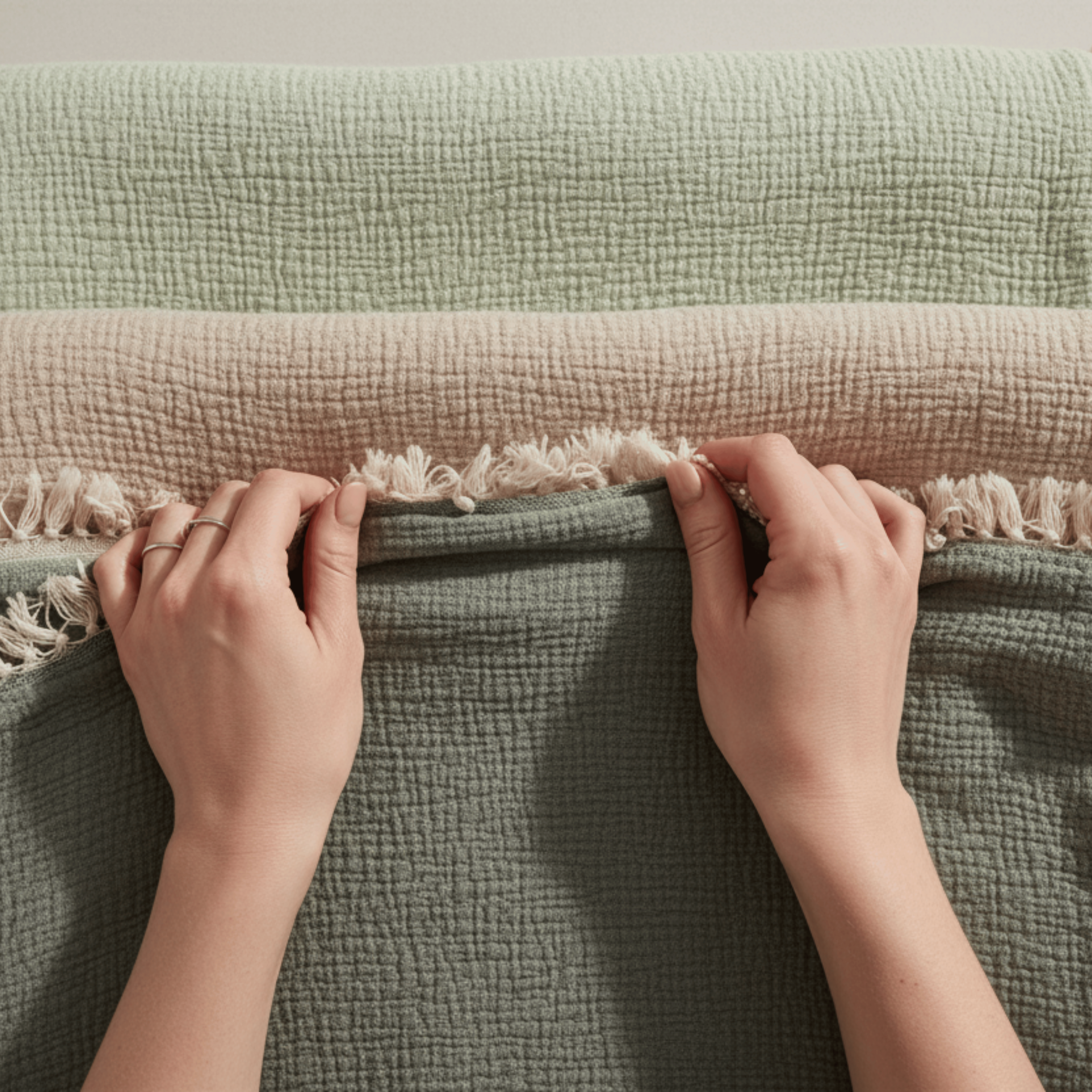
Cooling blankets don't lower your body temperature like ice. Instead, they allow heat and moisture to escape through the fabric, preventing that trapped, suffocating feeling. This is why breathable cotton blankets like Joy and Sophie feel comfortable right away — they wick away moisture and promote air circulation.
What Bedding Is Best for Hot Flashes?
The best bedding for hot flashes focuses on temperature regulation, not warmth.
Look for 100% cotton, muslin, or bamboo fabrics with loose weaves that promote airflow. Lightweight blankets work better than thick duvets because they provide comfort without insulation.
Avoid microfiber, polyester, and tightly woven fabrics — they trap heat and moisture against your skin and can make night sweats worse.
Many people switch from heavy comforters to breathable blankets like Joy or Sophie and notice improved sleep within days. The difference comes down to fabric choice: natural fibers absorb moisture and release heat, while synthetic materials create a barrier that holds warmth in.
What to Wear to Bed When You Have Hot Flashes?
Your sleepwear plays a major role in how your body regulates heat at night.
Best options include loose cotton or bamboo pajamas, breathable nightgowns, and moisture-absorbing natural fabrics that don't cling to your skin.
Avoid satin or polyester blends, which don't breathe and can trap sweat. Pairing breathable sleepwear with lightweight bedding creates a sleep environment that adapts to your body's temperature changes throughout the night.
Do Cooling Blankets Work for Menopause?
Yes — and this is one of the most common reasons people switch to cooling blankets.
Hormonal changes during menopause can cause sudden temperature spikes, especially at night. Cooling blankets help by allowing excess heat to escape, staying breathable during temperature fluctuations, and preventing that trapped, overheated feeling that disrupts sleep.
Lightweight cotton blankets like Joy and Sophie are especially helpful because they don't cling or insulate. They adapt to your body temperature rather than fighting against it, making them comfortable whether you're experiencing a hot flash or cooling down afterward.
What Are the Cons of Heated Blankets for Hot Sleepers?
While heated blankets can feel comforting in cold weather, they're not ideal for people who struggle with temperature regulation.
Potential drawbacks include increased sweating and overheating at night, dry skin from constant heat exposure, safety concerns with overnight use, and poor temperature regulation for anyone experiencing hot flashes or menopause symptoms.
If your body already struggles to regulate temperature, adding external heat can make symptoms worse rather than better. A breathable cooling blanket offers comfort without the risk of overheating.
So, Do Cooling Blankets Really Work?
Yes — when they're made with breathable materials and the right weight.
Cooling blankets won't feel cold to the touch, but they will reduce heat buildup, improve airflow, support natural temperature regulation, and improve sleep quality for hot sleepers.
If you wake up sweaty, toss off covers nightly, or dread overheating at bedtime, switching to a breathable blanket can be a simple but powerful change.
Sometimes better sleep isn't about adding more layers — it's about choosing the right one.
Ready to sleep cooler?
Explore our collection of breathable cotton blankets designed specifically for hot sleepers and menopause relief.
Share:
How to Wash Towels to Keep Them Soft: The Complete Guide
Turkish Towels: Are Turkish Towels Worth It?