
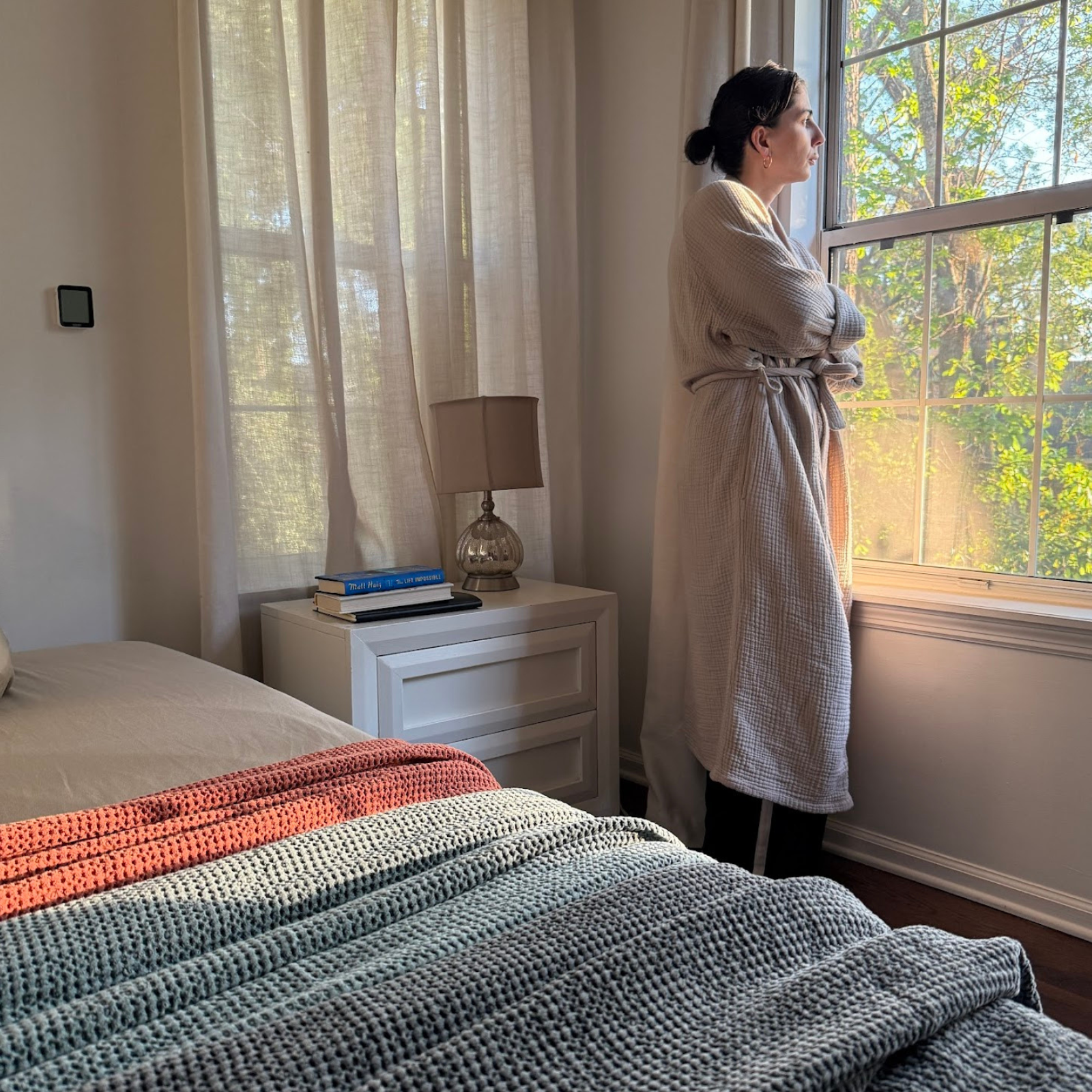
A bathrobe is not just a garment used after a bath; it is a product that makes our lives easier with various uses. Here are the different purposes of using a bathrobe:
-
Post-Bath Use: This is the most common use. The bathrobe wraps around your body and helps the water evaporate quickly. It also absorbs moisture from the skin and provides relaxation.
-
Sauna and Hammam Use: It is ideal for removing sweat from the skin and relaxing after being in hot environments. It also provides comfort during body care in the hammam.
-
Body Care: Wearing a bathrobe while applying skincare products allows for freedom of movement and helps the products absorb into the skin more quickly.
-
Relaxation at Home: A bathrobe can be worn after a bath or at the end of the day to relax at home. It helps you feel comfortable without sacrificing style.
What Are the Types of Bathrobe Fabrics?
Choosing the right fabric for your bathrobe is crucial. Different fabrics affect the comfort, durability, and water absorption capacity of the bathrobe. Here are some common bathrobe fabrics:
|
Fabric Type |
Characteristics |
Advantages |
|
Cotton |
Soft, water-absorbing, skin-friendly |
Can absorb water, eco-friendly |
|
Bamboo |
Antibacterial, ecological |
Skin-friendly, doesn’t cause allergies |
|
Microfiber |
Light, thin, dries quickly |
Absorbs water quickly, light, and practical |
|
Flannel |
Thick, keeps warm |
Ideal for winter months |
How to Wash and Care for a Bathrobe?
Properly caring for your bathrobe is important to extend its lifespan. Washing temperature varies depending on the fabric type:
-
Cotton Bathrobes: Typically, they can be washed between 40°C and 60°C. However, high temperatures may cause the fabric to wrinkle.
-
Microfiber Bathrobes: It is recommended to wash at 30°C. High temperatures can damage the fabric structure.
-
Bamboo Bathrobes: They should be washed with cold water, usually at 30°C. Otherwise, the fabric structure can be harmed.
Bathrobes should not be dried at high temperatures. Microfiber and bamboo bathrobes dry quickly, while cotton bathrobes take longer to dry. In any case, drying at a low temperature will make it last longer.
Tips to Prevent Bathrobe Lint
Newly purchased bathrobes, especially those made of cotton, may shed lint during the first few uses. To prevent this, you can follow these steps:
-
Wash the New Bathrobe: A new bathrobe should be washed before the first use. This helps the fibers settle and prevents lint shedding.
-
Proper Washing: Wash the bathrobe inside out and use a low temperature setting. Also, be careful not to use too much fabric softener, as it can cause the fibers to stick together.
-
Drying: Do not dry your bathrobe at high temperatures. Dry it at a low temperature, and use lint collectors during the drying process to prevent the lint from spreading to other clothes.
How to Fold a Bathrobe?
Folding a bathrobe correctly not only saves space but also helps maintain the fabric's shape. Here are a few simple steps to fold a bathrobe:
Simple Folding:
-
Lay your bathrobe flat on a surface, with the collar facing outward.
-
Bring the right and left sides together, making them parallel in the center.
-
Fold the bottom upwards, then fold the top down to create a rectangular shape.
Round Folding (More Compact):
-
Fold the edges of the bathrobe towards the center to form a thinner rectangular shape.
-
Roll this shape up to make the bathrobe more compact.
Alternative Methods:
Hanging your bathrobe is also a good option. By hanging it from the collar, you can prevent wrinkles and keep it neatly organized.
What to Consider When Choosing a Bathrobe
Choosing the right bathrobe is crucial for comfort. Here are some important factors to consider when selecting a bathrobe:
Fabric Choice:
-
Cotton: Soft, absorbs water well, and is skin-friendly. However, it dries slowly.
-
Bamboo: Antibacterial and eco-friendly. Ideal for sensitive skin, but can be expensive.
-
Microfiber: Dries quickly and is lightweight, but may not be as soft as cotton.
-
Flannel: Keeps you warm in winter, but can develop odors if it stays damp for too long.
Size and Cut:
The bathrobe should fit comfortably. It should neither be too tight nor too loose. Long-sleeved bathrobes are preferred for cold weather, while short-sleeved ones are suitable for summer.
Water Absorption Capacity:
The water absorption capacity of the bathrobe depends on the fabric. Cotton bathrobes have high water absorption, while microfiber bathrobes dry quickly.
Color and Pattern:
Color and pattern depend on personal preference. Dark-colored bathrobes don’t show dirt as much, while light-colored ones often provide a fresher look.
Style and Aesthetics:
Bathrobes are not only about comfort but also aesthetics. Luxurious designs enhance the elegance of the bathrobe while providing comfort.
Durability and Quality:
A bathrobe made of high-quality fabrics will last longer. Strong stitching and durable construction are essential for its longevity.
Frequently Asked Questions (FAQ) About Bathrobe Use
Can a Bathrobe Cause Fabric Allergies?
Some fabric types (e.g., synthetic blends) can cause irritation on sensitive skin. Natural fibers like cotton and bamboo are more compatible with most skin types. If you have skin sensitivity, check the fabric content on the label to reduce the risk of allergies.
Are Bathrobes Only Used at Home?
No. Bathrobes are not only used at home. They can be comfortably worn in environments like spas, saunas, hammams, hot springs, or after swimming. Carrying a lightweight bathrobe in your vacation bag can also be practical in many situations.
How Long Can a Bathrobe Be Used?
The lifespan of a bathrobe depends on its frequency of use and care. With regular maintenance and by following proper washing instructions, a bathrobe will maintain its shape for a long time. Signs of wear, such as thinning fibers or loose stitching, are early warnings that the bathrobe may need attention.
How Do You Prevent a Bathrobe From Smelling?
-
Bathrobes left damp can unfortunately develop odors. To prevent this:
-
Dry the bathrobe by allowing air circulation instead of fast drying.
-
Do not fold or place the bathrobe in a closed closet before it is fully dry.
-
Ventilate regularly.
What Does it Mean if a Bathrobe is Lined?
Some bathrobes are lined (with a different fabric on the inner surface). This design:
-
Provides a softer initial contact feel.
-
Can improve water absorption balance in some fabrics.
-
May offer extra warmth in cold weather.
Share:
Long-Lasting Blanket Use
What Is the Difference Between a Kimono, Kaftan, and Beach Cover-Up?